Silicone LED Facial Mask-Your Skin Care Guider
LED facial masks have become a staple in modern skincare routines, but their true benefits often remain shrouded in mystery. What do these masks really do for your face? In this comprehensive guide, we'll explore the science behind LED masks, their benefits, optimal usage times, effectiveness on dark spots, and the essential do's and don'ts of post-treatment care, all centered around a top-notch LED mask with 7-color light and 180 light beams.
What do LED masks do for your face?
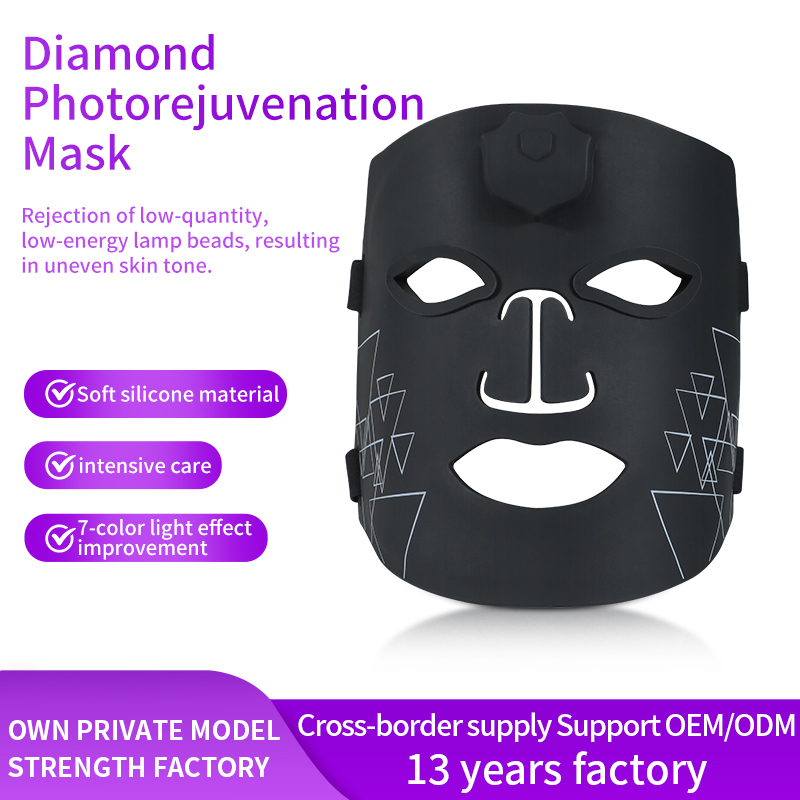
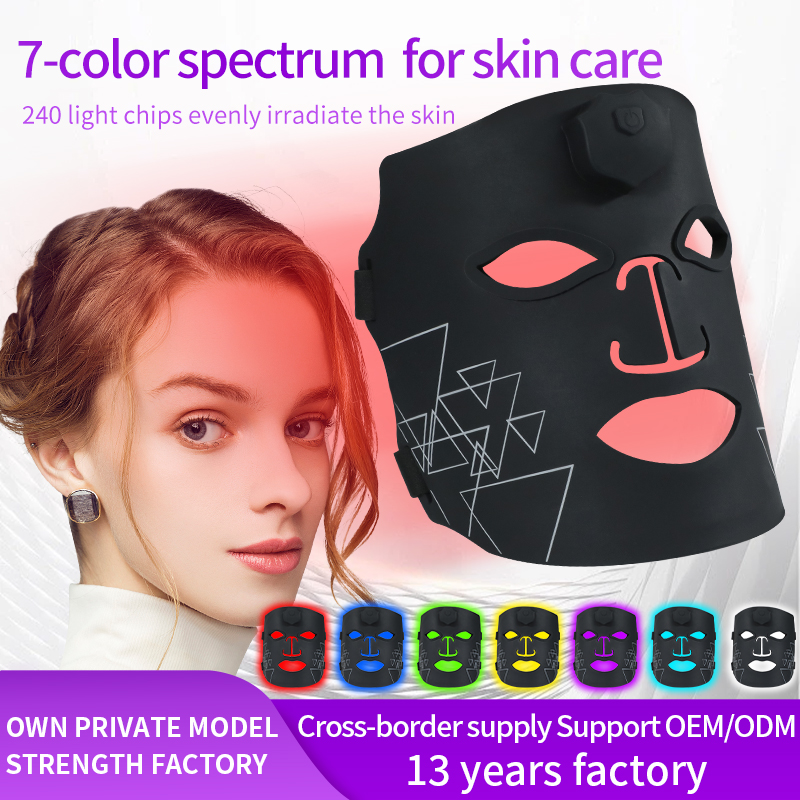
LED (Light Emitting Diode) masks work by emitting specific wavelengths of light that penetrate the skin at different depths, triggering various biological responses. The 7-color light technology in advanced masks like the Diamond Photorejuvenation Mask offers a spectrum of benefits:
l Red Light (630nm): Penetrates deep into the dermis to stimulate collagen production, reducing fine lines, wrinkles, and improving skin elasticity. It also boosts blood circulation, giving the skin a healthy, radiant glow.
l Blue Light (470nm): Targets the bacteria that cause acne (P. acnes), making it highly effective for clearing breakouts and preventing future blemishes.
l Green Light (525nm): Balances skin tone, reduces hyperpigmentation, and calms redness, making it ideal for those with uneven skin tone or sensitivity.
l Purple Light: A combination of red and blue light, it combats acne while also stimulating collagen, addressing both breakouts and signs of aging.
l Yellow Light: Enhances lymphatic drainage, reduces redness and inflammation, and improves skin brightness.
l Light Blue Light: Soothes sensitive skin, reduces irritation, and helps with conditions like rosacea.
l White Light: Provides comprehensive skin rejuvenation, tightening pores, and improving overall skin texture.
With 180 light beams, the mask ensures even coverage, allowing each wavelength to work its magic across the entire face, delivering salon-grade photorejuvenation at home.
When should you use your LED facial mask?
Timing is key to maximizing the benefits of your LED facial mask. Here's a guide:
l Acne-Prone Skin: Use blue or purple light 2-3 times a week, preferably in the evening. If you have active breakouts, you can use it daily for a week until the acne subsides, then revert to 2-3 times a week.
l Anti-Aging Goals: Red light is best used 3-4 times a week, either in the morning to boost collagen production for the day or at night to aid in skin repair during sleep.
l Skin Brightening and Tone Correction: Green or yellow light can be used 2-3 times a week, at any time that fits your routine, though consistency is key.
l Sensitive Skin: Light blue light can be used 2-3 times a week, preferably when your skin is calm (avoid using during active flare-ups of conditions like rosacea without consulting a dermatologist).
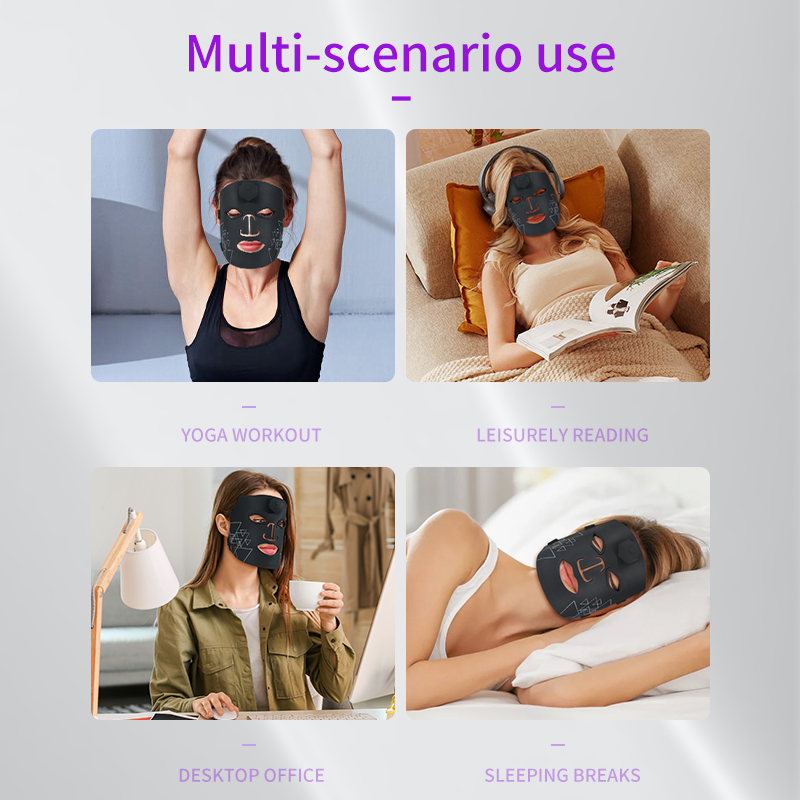
Always start with a clean, dry face. If you're using serums or skincare products, apply them before the mask (except for acne treatments with blue light—wait until after the session for those). Each session should last 10-20 minutes, depending on your skin's tolerance and the specific light color.
Do LED face masks help with dark spots?
Yes, LED face masks can be highly effective in reducing dark spots, thanks to specific light wavelengths. Green light, in particular, targets melanin production, helping to fade hyperpigmentation, sunspots, and post-acne marks. It works by inhibiting the overproduction of melanin, the pigment responsible for dark spots, while also promoting cell turnover to reveal brighter, more even-toned skin.
Red light also contributes by boosting collagen, which helps in repairing the skin and reducing the appearance of dark spots over time. For best results, use green or a combination of green and red light 3 times a week, and be patient—consistent use over 4-6 weeks will show noticeable improvements.
Should I moisturize after LED mask?
Absolutely. After using an LED mask, your skin is in a receptive state, making it the perfect time to lock in moisture and nutrients. Here's how to do it right:
l Cleanse Gently: If you applied any products before the mask, gently cleanse your face to remove any residue.
l Apply Serums: Use targeted serums (vitamin C for brightening, hyaluronic acid for hydration, retinol for anti-aging—though avoid retinol if you used red light and have sensitive skin) to address your specific concerns.
l Moisturize: Choose a hydrating moisturizer that suits your skin type. For acne-prone skin, go for an oil-free, non-comedogenic formula; for dry skin, opt for a richer cream.
l Sunscreen (Morning Use): If you used the mask in the morning, always finish with a broad-spectrum sunscreen with at least SPF 30 to protect your skin from UV damage, which can worsen dark spots.
Moisturizing after the LED mask helps seal in the benefits of the light therapy and keeps your skin hydrated, plump, and healthy.
What not to do after a LED mask?
To ensure you get the most out of your LED facial mask and avoid any adverse effects, steer clear of these post-treatment mistakes:
Don't Skip Skincare: As mentioned, moisturizing is crucial. Skipping it can leave your skin dry and dull, negating some of the mask's benefits.
Don't Use Harsh Products: Avoid exfoliating acids (like AHAs or BHAs), strong retinoids, or alcohol-based toners immediately after LED therapy, especially if you used red light, as your skin may be more sensitive. Wait at least a few hours, or better yet, the next day, to use these products.
Don't Forget Sunscreen (Daytime): If you used the mask in the morning, sun protection is non-negotiable. UV rays can reverse the progress you've made with light therapy, especially when it comes to dark spots and collagen production.
Don't Overdo It: Using the mask for too long or too frequently can irritate the skin. Stick to the recommended session times (10-20 minutes) and frequency (2-4 times a week, depending on the light color).
Don't Ignore Skin Reactions: If you experience excessive redness, itching, or burning, stop using the mask and consult a dermatologist. While rare, some people may be sensitive to certain light wavelengths.
Conclusion
LED facial masks, especially those with advanced 7-color technology and 180 light beams like the Diamond Photorejuvenation Mask, are a game-changer in at-home skincare. They address a multitude of concerns—from acne and dark spots to aging and uneven skin tone—by leveraging the power of targeted light therapy. By using them at the right time, pairing them with proper post-treatment skincare, and avoiding common mistakes, you can unlock their full potential and achieve healthier, more radiant skin. Whether you’re battling breakouts, fading dark spots, or just looking to maintain a youthful glow, an LED facial mask is a worthy addition to your skincare arsenal.