IPL Hair Removal - Which Method Works Best for You?
In the quest for smooth, hair-free skin, consumers are inundated with options—from traditional waxing and shaving to advanced at-home devices. Among these, at-home hair removal devices, particularly Intense Pulsed Light (IPL) and laser devices, have surged in popularity. But a pressing question remains: Do hair removal devices really work? This article delves into the efficacy of these devices, their suitability for different body areas (including private parts), and why some users still see regrowth even after multiple sessions, all while spotlighting a cutting-edge at-home photon hair remover designed to redefine your hair removal journey.
Which Type of Hair Removal is Best?
Let's weigh the top hair removal methods against each other:
l Shaving: Pros—fast, cheap, painless. Cons—temporary (1-3 days), stubble, ingrown hairs.
l Waxing: Pros—longer-lasting (2-4 weeks). Cons—painful, skin irritation, requires regrowth.
l Professional Laser: Pros—long-term reduction. Cons—expensive ($200-$500/session), time-consuming, requires appointments.
l At-Home Hair Removal Devices: Pros—long-lasting (70-90% reduction), cost-effective, convenient, low pain. Cons—requires consistency (multiple sessions).
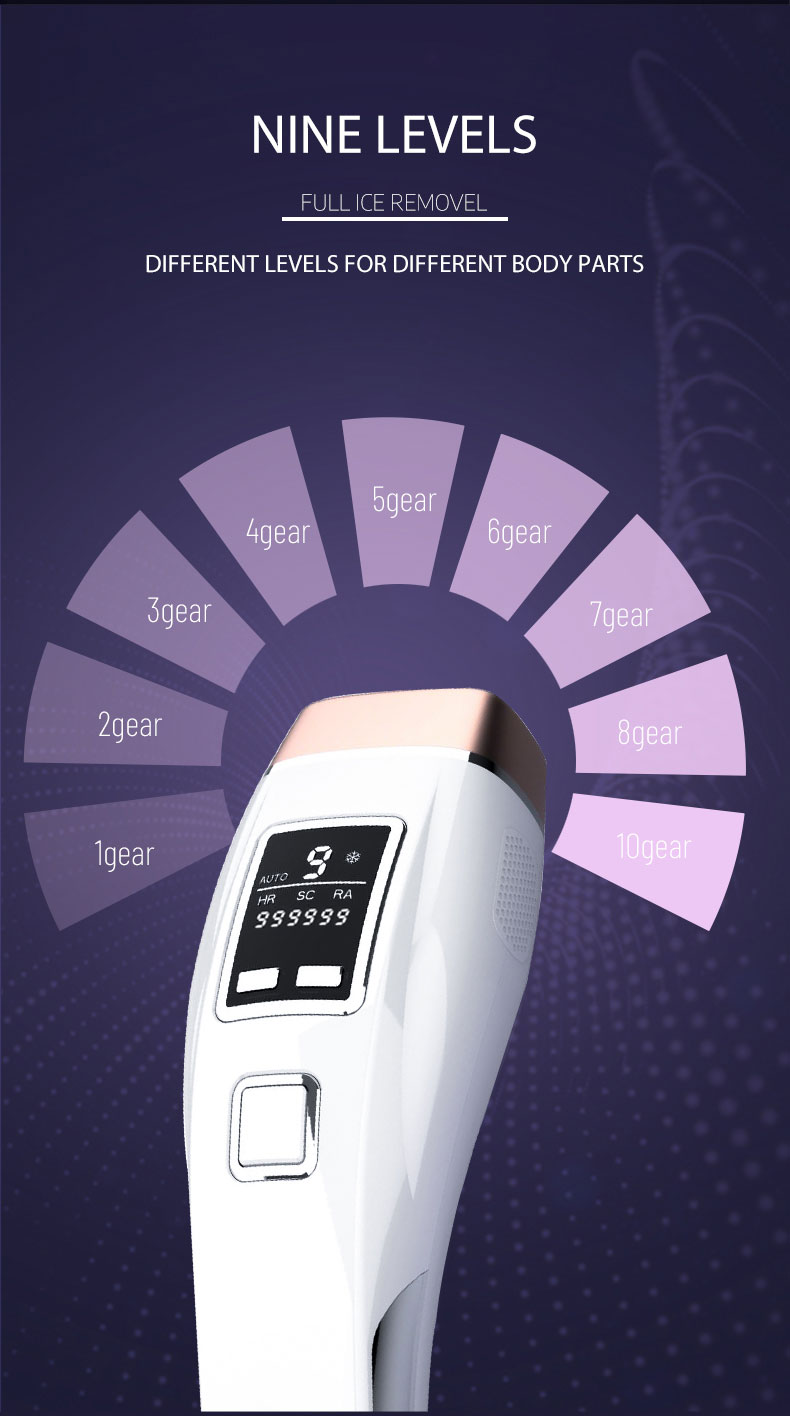
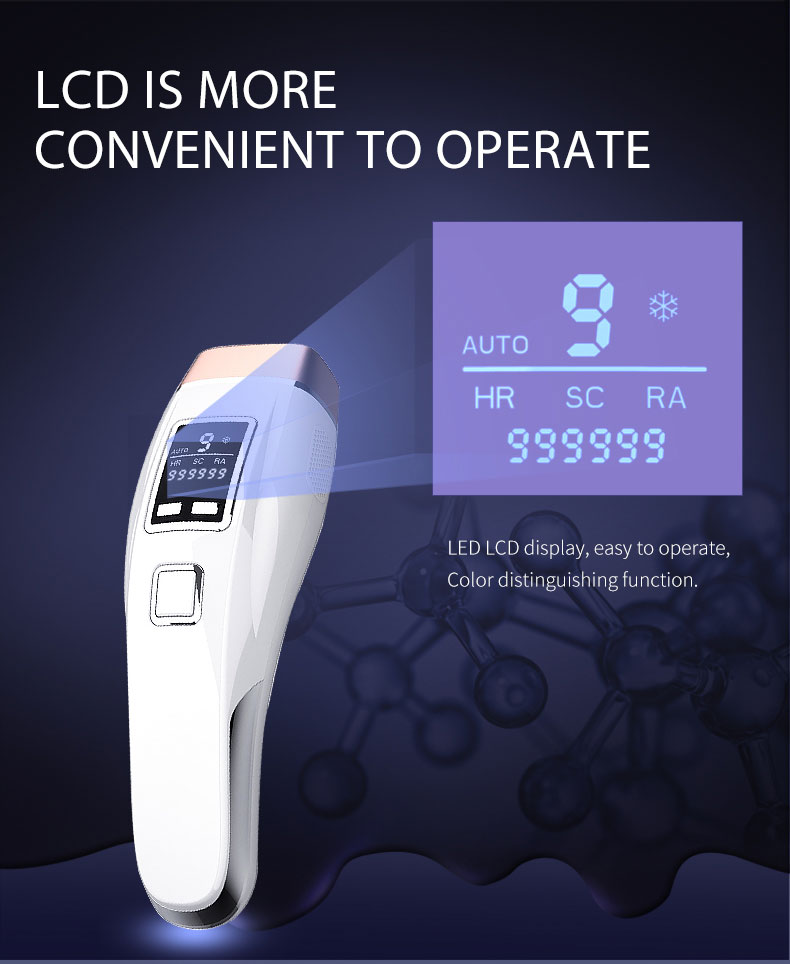
The household photon hair remover is the clear winner for most users. It combines the longevity of professional laser with the convenience of at-home use. Its 510-1200nm spectrum, 9 energy levels (6-18J/cm²), and 4cm² spot size ensure effective follicle targeting, while its full ice removal technology minimizes discomfort.
Unlike traditional methods, it inhibits regrowth over time, making it the best choice for those seeking a sustainable solution.
Do Hair Removal Devices Really Work?
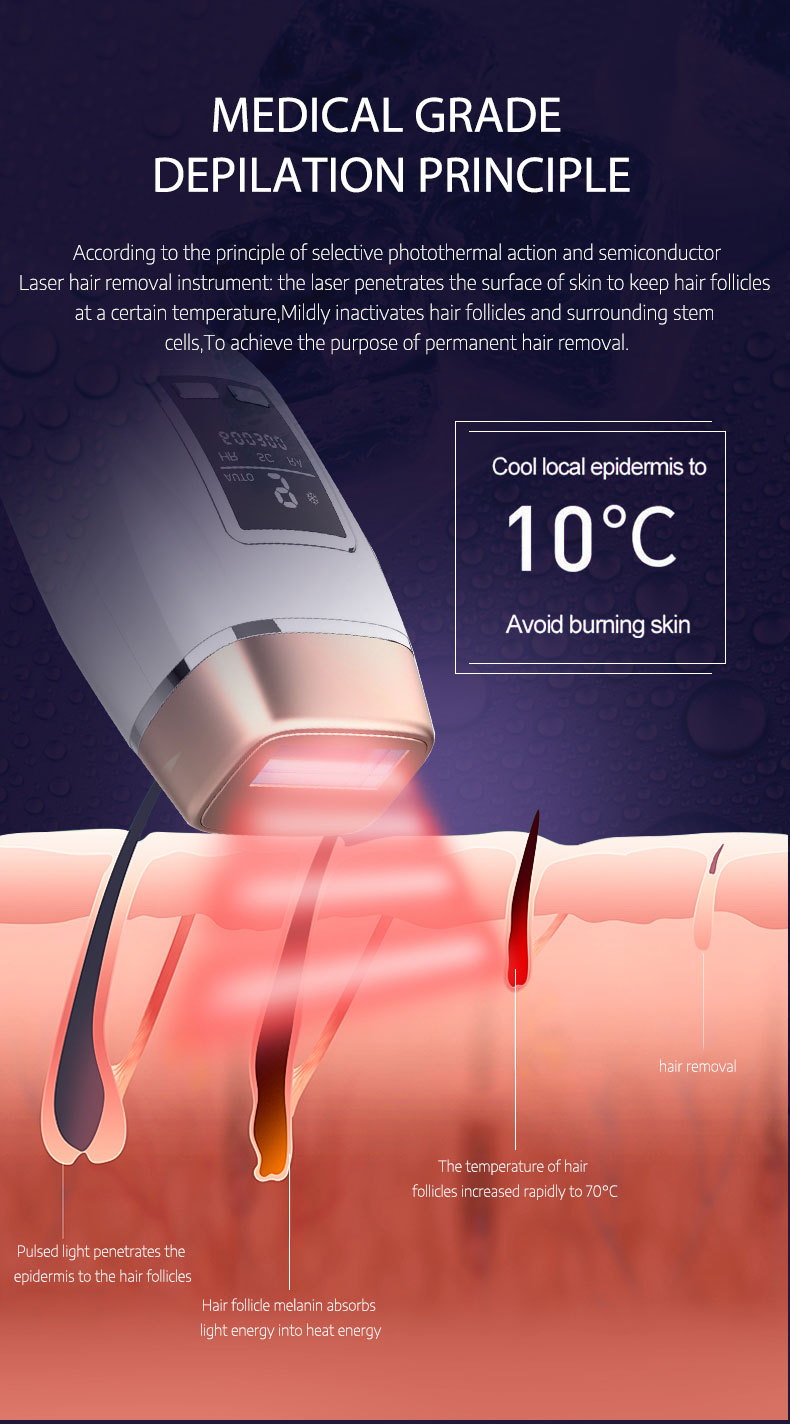
At-home hair removal devices, such as IPL and laser tools, operate on the principle of targeting hair follicles with concentrated light energy. The light is absorbed by the melanin in the hair, converting to heat and damaging the follicle to inhibit future growth. But does this translate to real results?
Take the household photon hair remover, for example. With a retained spectrum of 510-1200nm and energy levels ranging from 6-18J/cm², it's engineered to target hair follicles effectively. Users report noticeable reduction in hair density after just a few sessions. The device boasts 999,999 flash times—enough for years of use, even for multiple users—ensuring long-term value. Independent studies on similar IPL technologies show that consistent use (every 2-4 weeks for the initial phase, then monthly maintenance) leads to 70-90% hair reduction for most users.
However, “working” is not an overnight process. Hair grows in cycles (anagen, catagen, telogen), and these devices only target hairs in the anagen phase. This means multiple sessions are necessary to catch follicles at their most receptive stage. The household photon hair remover's 9 energy levels allow users to customize intensity based on skin sensitivity and hair thickness, optimizing efficacy while minimizing discomfort.
Can You Use a Hair Removal Device on Private Parts?
The question of using IPL hair removal machine on private parts is fraught with caution—and for good reason. Intimate areas have thinner, more sensitive skin, so not all devices are suitable.
The household photon hair remover, with its full ice removal technology, addresses this concern. The cooling feature minimizes skin irritation, making it safer for delicate areas when used correctly. Here's how to proceed:
l Start with the lowest energy level (1-3) and test on a small patch first.
l Ensure the area is clean, dry, and free of lotions or deodorants.
l Follow the device's guidelines strictly—most recommend avoiding the very inner folds of the genital area, focusing instead on the bikini line or outer labia.
l Never use the device on broken, irritated, or tanned skin.
While the device is versatile, it's crucial to listen to your body. If you experience excessive redness or discomfort, pause use and consult a dermatologist.
Why is My Hair Still Growing After 10 Laser Sessions?
It's frustrating to invest time and money into laser or IPL sessions only to see hair regrowth. Several factors explain this:
Hair Cycle Variability: As mentioned, hair follicles cycle through growth phases. Missing follicles in the anagen phase means they’ll grow back later.
Device Efficacy and Technique: Not all devices are created equal. The household photon hair remover's 4cm² spot size and adjustable energy frequency (6-18J/cm²) ensure thorough coverage and optimal energy delivery—factors that cheaper devices often lack. Improper technique, like moving the device too quickly or not holding it firmly against the skin, can also reduce results.
Hormonal and Genetic Factors: Hormonal imbalances (e.g., PCOS) or genetic predispositions to thick, fast-growing hair can counteract treatment effects. In such cases, combining device use with medical advice might be necessary.
Maintenance Phase Misunderstanding: Even after significant reduction, some fine vellus hair or dormant follicles might become active over time. Regular maintenance sessions (every 1-3 months) with the household photon hair remover can keep regrowth at bay.
Conclusion: The Household Photon Hair Remover as a Top Contender for “Best Hair Removal”
When evaluating “Which type of hair removal is best?”, the household photon hair remover emerges as a strong candidate for those seeking efficacy, convenience, and versatility. It answers “yes” to “Do hair removal devices really work?” with proven technology and user testimonials. It can be used on private parts (with caution and proper technique), and while hair regrowth after multiple sessions can happen, the device's design—from its 9 energy levels to its 999,999 flashes—addresses many common pitfalls.
For anyone tired of temporary hair removal methods and seeking a long-term solution, this at-home device bridges the gap between professional treatments and at-home convenience. With consistent use, it offers the promise of smoother, hair-free skin—making it a standout choice in the crowded hair removal landscape.